

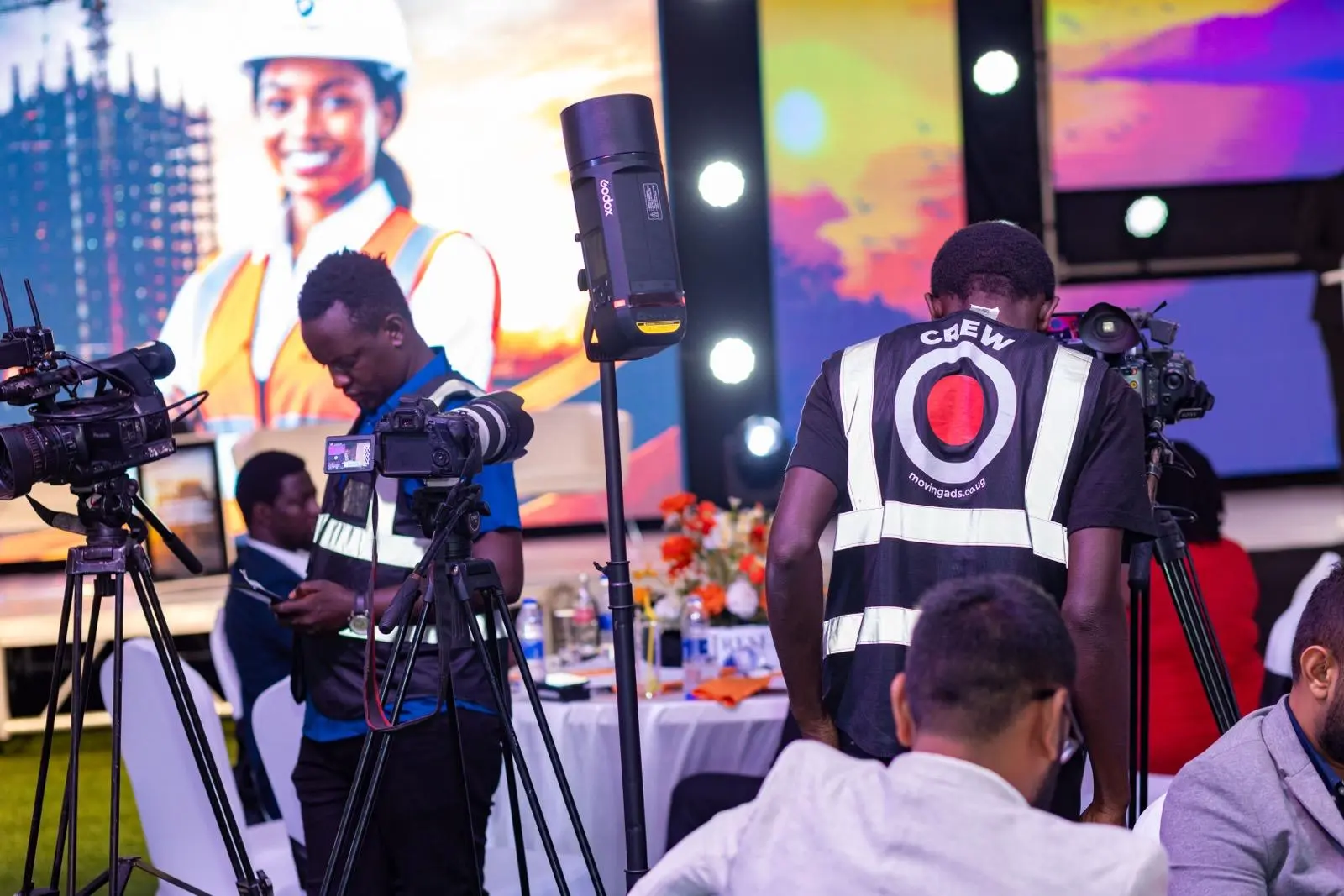
Events create some of the most valuable moments a brand can share. A conference brings industry leaders into one room. A product launch gives customers their first experience of something new. An awards night celebrates achievement. A corporate gathering puts the people behind a company in front of an audience. With professional event videography Uganda, brands can capture these moments and turn them into content that continues to work long after guests leave the venue.
Yet many businesses still treat event coverage as documentation. They hire someone to record what happens, receive a long video afterwards and stop there.
Professional event content should do much more.
A well-planned production can give your brand event highlight videos, interviews, social media clips, photographs, testimonials, recap videos and even material for future documentaries or podcast episodes. The event becomes more than a date on the calendar. It becomes a content opportunity.
Your Event Has a Short Life. Your Content Should Not.
Most events last a few hours or a few days.
However, the ideas, conversations, announcements and experiences that happen during them can remain valuable for months.
Consider a business conference in Kampala. During one day, your organisation may bring together executives, government representatives, clients, industry experts and partners. Speakers may discuss issues that matter to your audience. Guests may share useful opinions. Your leadership team may announce a new initiative.
Without strong conference video coverage, much of that value disappears when the event ends.
Professional content preserves the strongest moments and gives your marketing team material that they can continue publishing afterwards.
A keynote can become a short LinkedIn video. An interview can become a social media reel. A panel discussion can provide several educational clips. Photographs can support press releases and reports. A powerful customer comment can become a testimonial.
One event can create an entire library of useful brand content.
Professional Event Content Protects How Your Brand Looks
Your event represents your organisation.
The stage design, speakers, audience, lighting, branding and venue all contribute to the experience. Therefore, the content you publish afterwards should reflect the same level of professionalism.
Poor audio, unstable footage, awkward framing or badly exposed images can make a well-organised event look less impressive than it actually was.
Professional business event videography takes a different approach. The production team considers camera positions, lighting conditions, sound, branding, important guests and the event schedule before coverage begins.
That preparation matters.
A videographer needs to know when the CEO will speak. The photographer needs to know when an award presentation will happen. The crew needs to understand where key interviews can take place without loud music or crowd noise.
Good event coverage does not rely on luck. It relies on preparation.
The goal is not simply to record everything
The production team should identify the moments that tell the strongest story.
That may include an emotional reaction, a powerful quote from a speaker, audience engagement, a product demonstration, a handshake between partners or the energy of guests entering the venue.
These moments give an event personality.
Event Videography Uganda Helps Brands Tell Better Stories
A camera can record an event from beginning to end. Storytelling requires more thought.
Professional event filmmakers look for a beginning, middle and end.
They capture the venue before guests arrive, show registration and anticipation, record key presentations and reactions and look for interactions between people. Finally, they capture moments that communicate what the event achieved.
This approach makes event recap videos more engaging because viewers experience the event rather than simply watch a collection of clips.
For organisations in Uganda and across East Africa, that storytelling also helps communicate context. A regional conference, CSR activity, sports gala, launch or stakeholder meeting often brings together people from different sectors and communities.
Strong coverage shows who attended, what happened and why the event mattered.
Your Audience Is Bigger Than the People in the Room
Every event has a physical audience. Professional content gives it a digital audience too.
A company may host 300 people at a conference in Kampala, but thousands more could experience parts of that event through LinkedIn, Instagram, TikTok, YouTube, Facebook and the company website.
This matters for brands that invest heavily in events.
Instead of limiting the value of that investment to the people who attended, professional video gives the event another life online.
Brands can publish event highlight videos shortly after the event to maintain momentum. They can share speaker clips later, turn useful discussions into educational content. They can also use photographs in newsletters, annual reports and future campaign materials.
The best event coverage strategy asks a simple question before production begins:
What content will we need after this event?
That question changes how the crew approaches the day.
Event Content Can Build Trust
People often trust what they can see.
Showing real customers, employees, partners and industry leaders interacting with your organisation can make your brand feel more credible than a polished promotional message alone.
For example, a two-minute interview with a satisfied attendee can communicate the value of a conference more naturally than a paragraph describing how successful the conference was.
Likewise, footage of employees participating in a CSR initiative can show your organisation’s work in a way that feels immediate and human.
This becomes especially important for corporations, NGOs, development organisations and institutions that need to communicate impact.
Event footage can also contribute to business documentary production, donor project films, annual report videos and corporate storytelling projects later.
When you capture high-quality footage today, you create options for tomorrow.
Professional Coverage Gives You Better Social Media Content
Event days move quickly on social media.
Audiences want to see what is happening now, not only two weeks later.
Therefore, brands should think about content delivery before the event begins.
A production team can plan vertical videos for Instagram and TikTok, professional clips for LinkedIn, photographs for real-time updates and a longer recap for YouTube or the company website.
This approach combines professional video production with social media content creation.
It also helps your communications team avoid scrambling for usable footage during the event.
Instead, everyone works from an agreed content plan.
For major events, brands can also combine recorded coverage with live event production Uganda, livestreaming or multi-camera production when remote audiences need to follow the programme as it happens.
Interviews Can Extend the Value Even Further
Events offer something brands often struggle to arrange: access to interesting people in one place.
You may already have executives, speakers, experts, customers and partners attending. That creates an opportunity to record short interviews.
Instead of asking only, “How was the event?”, ask questions that produce useful content.
An industry leader could explain a current challenge. A customer could share an experience. An executive could discuss the organisation’s next step. A speaker could expand on an idea from their presentation.
These interviews can support corporate videos, documentaries and thought leadership content.
They can also become podcast material.
If the setting allows it, a brand can create a small interview or podcast area at the venue and record conversations throughout the day. One event can then produce weeks of professional content.
Good Event Coverage Starts With a Content Plan
Brands often call a production company and say, “We need you to cover our event.”
A stronger brief explains what the organisation wants to achieve.
Do you need a two-minute highlight film?
Do you want same-day social media content?
Will you need executive interviews?
Does the event require photography?
Do you want full recordings of presentations?
Will remote audiences watch through a livestream?
Should the footage support a future documentary or corporate film?
These decisions help the production team determine the right crew, cameras, microphones, lighting, editing workflow and delivery schedule.
They also help the brand use its production budget more effectively.
Professional Event Content Is an Investment in Your Brand Library
A successful event requires planning, people, venues, speakers, branding, communication and budget. Once you make that investment, it makes sense to capture the value properly.
Professional event videography does more than create a record of what happened.
It turns moments into marketing assets, gives your communications team content for social media. It gives your website fresh visual material, captures thought leadership, preserves important announcements. documents partnerships and achievements. Most importantly, it allows people who never entered the venue to experience part of the event.
For brands in Uganda and East Africa, the question should not simply be whether an event needs a camera.
The better question is: how much useful content can this event create?
Make Your Next Event Work Beyond Event Day
If your organisation is planning a conference, launch, corporate gathering, exhibition, awards ceremony, stakeholder meeting or brand activation, think about content before the doors open.
Moving Ads Uganda helps organisations plan and produce professional event content, from video and photography to interviews, highlight films, documentary-style storytelling and digital content.
Talk to Moving Ads Uganda about your next event and turn one day of activity into content your brand can keep using long after the event ends.
