

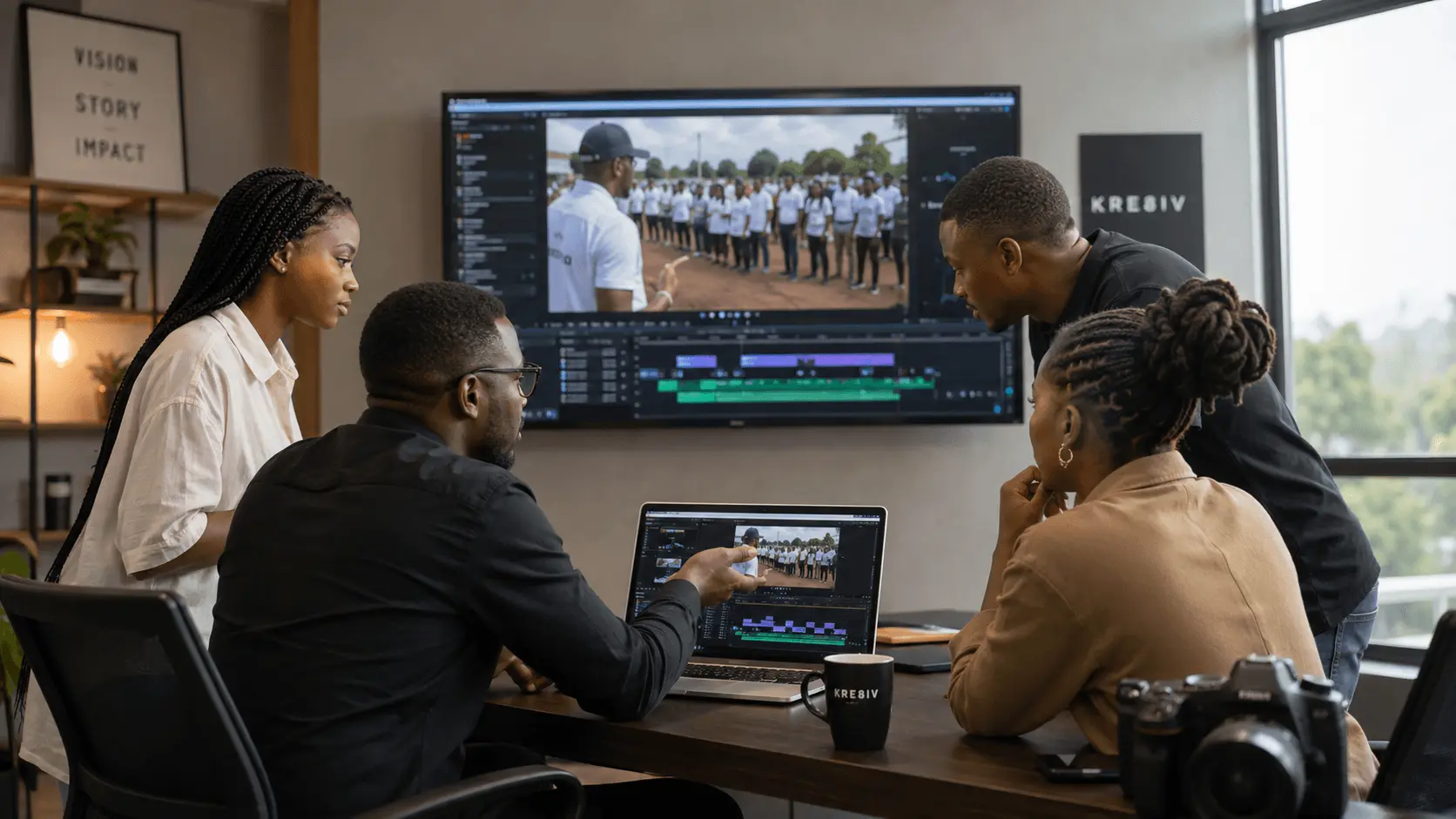
Is If you want to make your brand videos more engaging, start by thinking about the person watching rather than the company speaking. Audiences see a constant stream of videos from businesses, creators and media platforms. A polished video alone will not hold attention. Your content needs a clear idea, a strong opening, relatable people and a reason for viewers to keep watching.
Good engagement begins before the camera starts recording.
How to Make Your Brand Videos More Engaging
An engaging brand video does not need constant movement, dramatic effects or an expensive location. It needs to make viewers care about what happens next.
YouTube recommends maintaining viewer interest through thoughtful storytelling, curiosity and different approaches to video structure and editing. It also encourages creators to study audience retention to understand where viewers lose interest.
Therefore, businesses should ask one important question during planning: Why should someone keep watching this?
Start With a Strong Opening
The first few moments should introduce a reason to stay.
Avoid beginning every corporate video with a building exterior, a logo animation and a long introduction about when the company started. That information may matter, but it does not always make the strongest opening.
Instead, start with a problem, an interesting statement, a powerful image, a customer experience or a moment that creates curiosity.
For example, an agricultural brand could begin with a farmer explaining the challenge that changed their business. A technology company could open with the problem its product solves. A financial institution could start with a simple customer question.
A stronger opening gives professional video a clear direction from the start.
Get to the Point Quickly
Every scene should earn its place.
If a sentence does not add information, emotion or context, consider removing it. If a shot repeats what viewers already understand, shorten it.
This does not mean every video needs fast cuts. Documentaries and interviews may require a slower pace. However, even slower storytelling needs purpose.
Tell a Story Instead of Listing Information
Many brand videos try to communicate everything at once.
They list services, achievements, locations, values, awards and company history. Viewers receive information, but they do not always receive a story.
A simple story usually works better.
Introduce a person, goal or challenge. Show what happens. Then reveal the result or lesson.
For corporate videos, this approach can transform an ordinary company profile into a story about employees, customers or the organisation’s impact.
Likewise, documentaries work best when real people and experiences drive the narrative.
Put Real People at the Centre
People connect with people.
Executives have a role in brand communication, but they should not become the only voices audiences hear. Customers, employees, partners and community members often bring warmth and credibility to a story.
Let them speak naturally.
Do not force every interviewee to memorise corporate language. Ask good questions, listen carefully and allow people to explain experiences in their own words.
For businesses across Uganda and East Africa, local voices, familiar environments and real experiences can make the content feel much closer to the audience.
Make Interviews Feel Like Conversations
A nervous interviewee can make even a beautiful production feel stiff.
Help the person settle into the conversation before asking the most important questions. Ask open-ended questions and encourage them to answer in complete thoughts.
Avoid interrupting good moments simply because the wording differs from the script.
Sometimes the most memorable line comes from a response nobody planned.
Show More and Explain Less
Video gives businesses an advantage that written communication does not always have. It allows audiences to see what you mean.
If you say your company manufactures a product locally, show the production process, you talk about customer service, show your team helping customers.
If your organisation works with communities, take viewers into those communities.
This principle improves brand content creation because the video proves the message visually instead of relying only on claims.
It also helps video production feel more believable and less like a presentation.
Use B-Roll With Purpose
B-roll means the supporting footage that appears around interviews or narration.
Good B-roll adds information. It can show a process, location, product, emotion or detail that supports the story.
Avoid filling every gap with random shots of people typing on laptops or shaking hands. Choose footage that adds meaning.
For example, if an interviewee talks about expanding a service into rural communities, show the actual journey, environment and people involved.
Purposeful B-roll keeps viewers visually interested while strengthening the story.
Pay Attention to Sound
Viewers may tolerate a slightly imperfect image, but poor sound can quickly make content difficult to watch.
Record voices clearly. Reduce unnecessary background noise. Choose music that supports the mood without overpowering the dialogue.
For podcasts and interview-led content, sound matters even more because the voice carries much of the experience.
Music also needs restraint. A corporate interview does not automatically need dramatic music underneath every sentence.
Let important moments breathe.
Create for the Platform
A television commercial, YouTube video, LinkedIn interview and TikTok Reel should not automatically use the same edit.
Each platform creates different viewing habits.
Strong social media content often needs a faster opening, vertical framing, captions and shorter storytelling. A longer YouTube or website video can provide more context.
HubSpot similarly advises marketers to keep social video concise and storytelling focused rather than stretching ideas beyond what they need.
Plan these formats during production instead of trying to crop one finished video into every platform afterwards.
Make the Viewer Part of the Story
Strong brand content should answer a question the audience cares about.
Instead of saying, “Here is what our company does,” consider, “Here is how this helps you.”
That small shift changes the perspective of the video.
For product launch videos, demonstrate how the product fits into real life. Is it a service business? show the problem before showing the solution. For a social-impact organisation, explain why the work matters to real people.
When viewers recognise themselves or their concerns in the story, engagement becomes more natural.
Use Branding Without Overloading the Video
Your audience should recognise the brand, but the logo does not need to dominate every frame.
Use brand colours, typography, graphics, locations, tone and visual style consistently. Add logos where they make sense.
Good branding should make the video feel unmistakably yours without interrupting the story.
This becomes especially important during video production, where several videos may need to feel connected even when they tell different stories.
Give the Video a Clear Ending
Do not let the story simply stop.
Decide what you want viewers to do next.
The next step might involve visiting a website, watching another video, contacting the company, learning more about a service or joining a conversation.
Keep the call to action relevant to the video’s purpose.
A documentary about impact may invite viewers to learn more. A product campaign may direct them to purchase. A corporate video may encourage potential clients to contact the company.
Review Performance and Learn
Once the video goes live, study how people respond.
Look beyond total views. Check how long people watch, where they stop, what they comment on and which sections they replay or share.
YouTube specifically recommends using audience retention data to understand viewer reactions and improve storytelling, structure and content delivery.
Those insights should influence your next production.
If viewers consistently leave during long introductions, shorten them. When interviews perform well, use more of them. Or if a particular story earns meaningful comments, explore that subject further.
Make Every Second Earn Attention
You make your brand videos more engaging when you stop treating video as a place to list company information and start treating it as a conversation with the audience.
Open with something worth watching. Tell one clear story. Use real people. Show what you mean. Record strong sound. Edit for the platform and give viewers a reason to respond.
Moving Ads Uganda helps businesses and organisations across Uganda and East Africa develop and produce corporate films, commercials, documentaries, digital videos and other visual content. The team combines strategy, storytelling and production to create content that supports real communication goals.
If you want to make your brand videos more engaging, talk to Moving Ads Uganda about your next campaign or production. A strong video should not simply look good. It should give people a reason to watch, remember and act.
